Bluetoothing: the phenomenon driving HIV spike in Fiji
A New Way of Getting High Is Driving Fiji’s HIV Infection Rate Higher, Says The Fiji Times
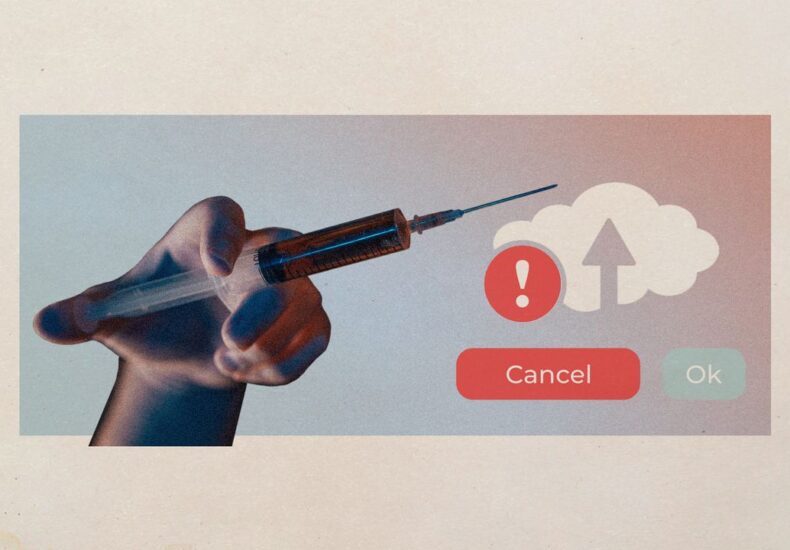
A dangerous new trend known as “bluetoothing” is fueling a surge in HIV infections among intravenous drug users in Fiji. This method involves one person injecting methamphetamine into a vein, then withdrawing some of their drug-rich blood and passing it to a second person via syringe. The second person then repeats the process with a third individual, and so on. While sharing a hit and syringe in this way may save money, it dramatically increases the risk of HIV transmission by sharing contaminated blood.
Over the past decade, Fiji has experienced an alarming elevenfold increase in the number of people living with HIV—from 500 to 5,900. An assistant health minister recently warned that the small Pacific island could see more than 3,000 new cases by the end of 2025.
### Surge in Addiction and Bluetoothing Among Youth
Bluetoothing is particularly prevalent among Fiji’s teenagers and young adults, with methamphetamine-filled syringes selling on the streets for as little as 10 Fijian dollars. In response, new funding has been allocated for treatment, testing, and an awareness campaign. However, health experts emphasize that much more remains to be done.
Many advocates are calling for a needle exchange program and an official public health response to address meth addiction more effectively. Grassroots activists are also leveraging Pacific cultural practices to support those affected by HIV.
### Embracing Cultural Approaches to Support
Jokapeci Tuberi Cati, Fiji’s first openly HIV-positive person, promotes the principle of *talanoa*—open, honest conversation—to share knowledge and offer support to people living with the disease, as reported by SBS News.
“There is no quick fix to this perfect storm of addiction, HIV, and a struggling health system,” said Movono in an article for The Conversation. “But empowering local communities will engender more sustainable and culturally appropriate solutions, particularly when it comes to reducing stigma and discrimination.”
### Looking Ahead
Other Pacific nations are closely watching Fiji’s response to this crisis, hoping to learn how to tackle the issue proactively and prevent the HIV epidemic from spreading further across the region.
https://theweek.com/health/bluetoothing-the-phenomenon-driving-hiv-spike-in-fiji
You may also like



更多推荐
You may be interested
 The New York Times
- At Least 4 Dead and 12 Injured as Tornadoes Slam Michigan 2026 年 3 月 7 日 Hannah Ziegler, Rylee Kirk, Amy Graff and John Yoon
- For Xi, Trump’s Embrace of War Proves China Needs More Power 2026 年 3 月 7 日 David Pierson
- Surfers in Munich (Yes, Munich) Just Want Their Wave Back 2026 年 3 月 7 日 Christopher F. Schuetze and Laetitia Vançon
- Trump Calls On Private Companies to Take On a Bigger Role in Cyber 2026 年 3 月 7 日 Adam Sella
- Vulnerable California Republican Darrell Issa Drops Re-election Bid 2026 年 3 月 7 日 Kellen Browning
- Russia Gets Silent Treatment in Paralympics Return 2026 年 3 月 7 日 Tariq Panja and Josephine de La Bruyère
- Jesse Jackson Chicago Funeral: Obama, Biden, Clinton to Attend 2026 年 3 月 7 日 Julie Bosman
- I’ve Never Been a Patriot, but Spain Standing Up to Trump Has Made Me One 2026 年 3 月 7 日 Paco Cerdà
- Kristi Noem Survived Many Crises. Then She Crossed a Trump Red Line. 2026 年 3 月 7 日 Zolan Kanno-Youngs and Hamed Aleaziz
- Trump Demands ‘Unconditional Surrender’ by Iran, Shifting U.S. Objectives Again 2026 年 3 月 7 日 David E. Sanger
Leave a Reply